My Topic for Today is: Common Running Mistakes
Even experienced runners make these mistakes. (I think that I may be guilty of ALL of these)
1.Wearing the Wrong Shoes
Wearing old running shoes or wearing the wrong type of running shoes for your foot and running style can lead to running injuries.
You should go to a running store, where knowledgeable salespeople can evaluate your running style and foot type. They will determine whether you’re an over-pronator, under-pronator, or neutral runner, and make shoe recommendations for you.
Once you get the right pair of running shoes, make sure you replace them every 300 to 350 miles (or sooner if needed), because the loss of cushioning can lead to injuries.
2. Doing Too Much, Too Soon
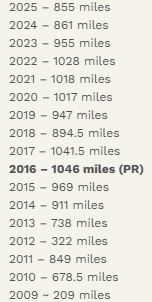
Many runners get so excited about their running that you do too much mileage, too fast, too soon. You start registering for lots of races, without taking any time off to rest and recover.


You mistakenly think that “more is better” when it comes to running. As a result, you often start to develop common overuse running injuries. In some cases, you may get burned out quickly and even lose interest in running.
You should be more conservative than you think you need to be with how often, how long, and how much you run, especially early on in your development. Always increase your mileage gradually, no more than 10% per week.
If you’re new to running or are coming off a long break, start with walking first, and then progress into a run/walk program. (Check out the Galloway method.)
3. Ignoring Aches and Pains
If the pain gets worse as you run, that’s a warning sign that you should stop. Listen to your body for injury warning signs and know when you shouldn’t run through pain.
Take at least one complete day off from exercise each and every week. Don’t ignore rest days—they’re important to your recovery and injury prevention efforts. Your muscles build and repair themselves during your rest days. So if you run every day, you’re not going to gain much strength and you’re increasing your risk of injury.
4, Not Drinking Enough
Many runners underestimate how much fluid they lose during runs and don’t drink enough. As a result, you may suffer from dehydration, which can be detrimental to your performance and your health.
You should make sure you’re hydrated before you start running.
Use your thirst as your guide for when to drink during your runs.
During longer workouts (90 minutes or more), some of your fluid intakes should include a sports drink (like Gatorade) to replace lost sodium and other minerals (electrolytes).
Don’t forget to rehydrate with water or a sports drink after your run.
5. Overtraining
Some runners who are training for specific races or certain goals run too hard, run too many miles, and/or don’t allow for proper recovery time. You assume that running almost every day will help you get fitter and faster. Overtraining is the leading cause of injury and burnout for runners (so they say…).
It’s important to incorporate rest and recovery into your training.
You should also add some cross-training activities to your schedule. Doing activities other than running prevents boredom, works different muscles, and can give your running muscles and joints a break.
6. Going Out Too Fast (In a Race)
You know you shouldn’t but I bet that most runners have been guilty of going out too fast at the beginning of the race.
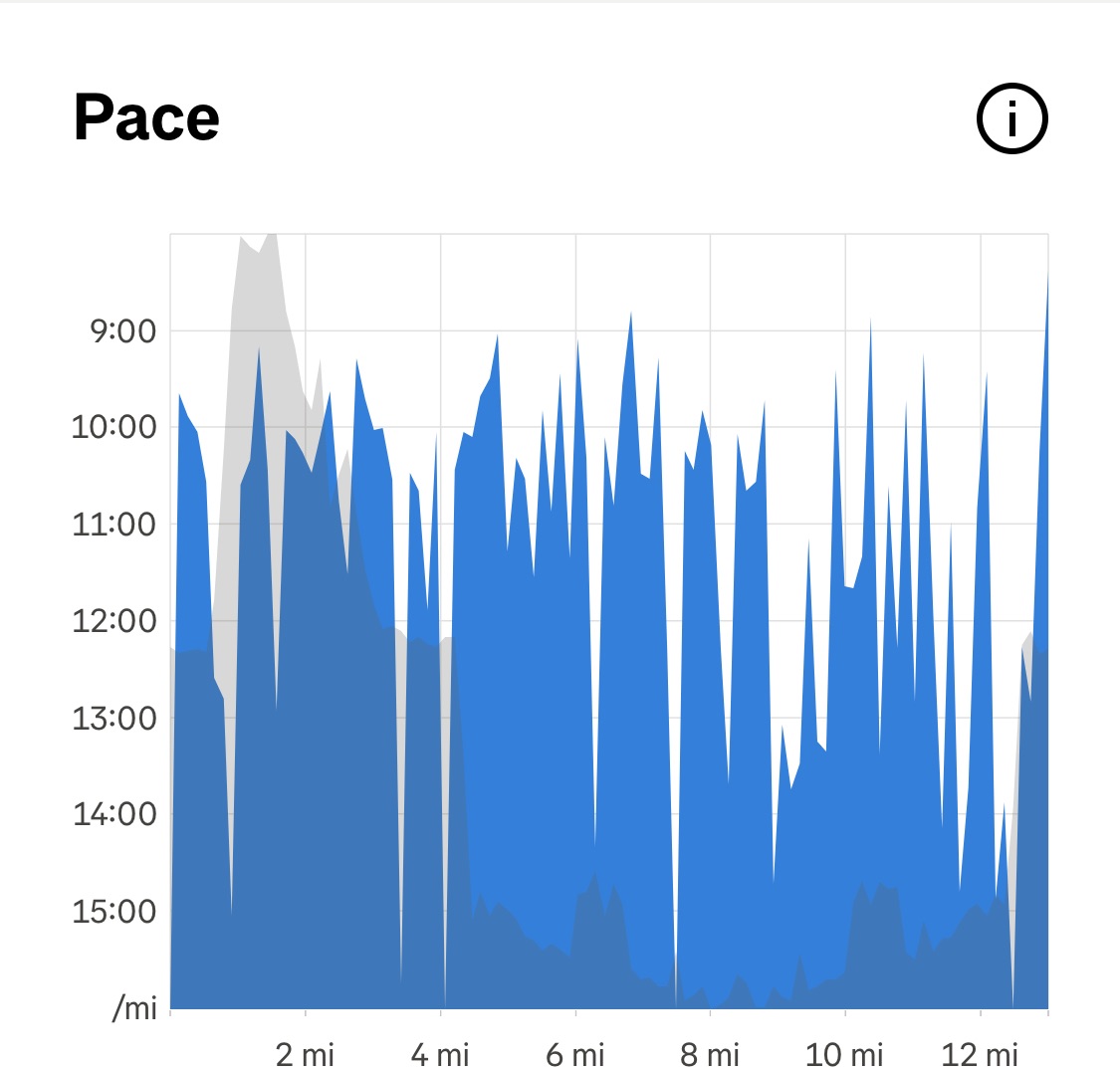
You did it because you felt so great during the first few miles that you ran ahead of pace, only to crash and burn during the final miles.
The best way to avoid the temptation of going out too fast is deliberately run your first mile slower than you plan to run the final one. It’s tough to do since you’ll most likely feel really strong in the beginning.
Try not to start with faster runners because you’ll most likely try to keep up with them.
Make sure you check your watch at the first mile marker. If you’re ahead of your anticipated pace, slow down.
7. Not Fueling Properly
Many runners underestimate the importance of nutrition for both your running performance and your overall health.
What and when you eat before, during, and after your runs has a huge effect on your performance and recovery.
Always try to eat a light snack or meal about 1 1/2 to 2 hours before a run. Choose something high in carbohydrates and lower in fat, fiber, and protein.
If you’re running more than 90 minutes, you need to replace some of the calories you’re burning. You can get carbs on the run through sports drinks or energy gels, bars, etc.
It is recommended to take in about 100 calories after the first hour of running, and then another 100 calories every 40 to 45 minutes after that.
Also make sure to replenish energy as quickly as possible after a workout. If you eat soon after your workout, you can minimize muscle stiffness and soreness.
You’ll want to consume primarily carbs, but don’t ignore protein.
Happy Running! Are you guilting of any of these? Any others to add? Please share.

It’s Friday so I’m also linking up with bloggers, Me (My First 5K and More), Running With Attitude, Run Laugh Eat Pie, Runs with Pugs, and The Running Teacher!
So Join in!
And don’t forget to link back to your hostesses and visit some other blogs!!

https://fresh.inlinkz.com/js/widget/load.js?id=c0efdbe6b4add43dd7ef